
Steel framing is becoming increasingly common in modern construction because of its strength, durability, and dimensional precision. However, one challenge builders must address is thermal bridging. Without proper design, steel framing can allow heat to travel through the building envelope, reducing insulation performance and increasing energy costs.
The good news is that with the right building strategies and insulation systems, contractors can significantly reduce or eliminate thermal bridging in steel-framed structures. For builders working across Utah, Idaho, Wyoming, Colorado, Nevada, and Arizona, understanding these solutions is essential for meeting modern energy codes and delivering high-performance buildings.here...
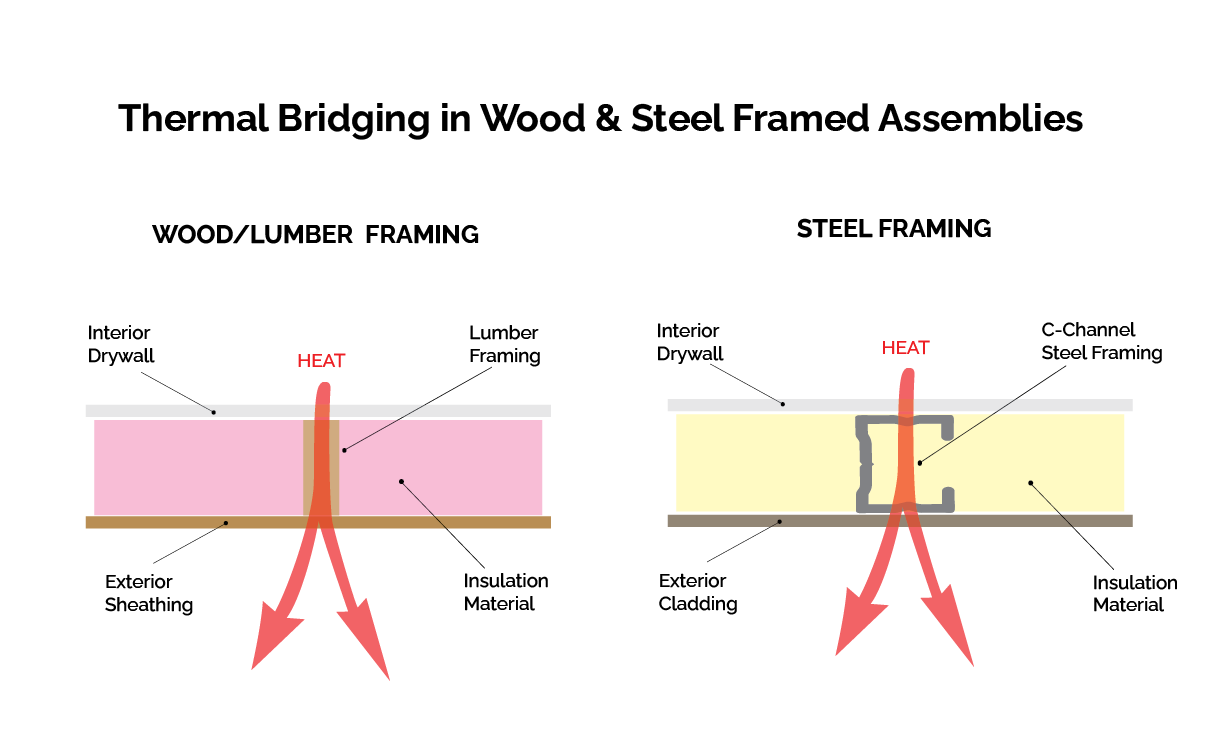
Thermal bridging occurs when heat moves through a conductive material that bypasses insulation. Because steel conducts heat far more efficiently than wood, steel studs can create pathways for heat transfer between the inside and outside of a building.
When thermal bridging occurs, it can cause:
Reduced wall insulation performance
Higher heating and cooling costs
Cold interior wall surfaces
Increased condensation risk
Reduced occupant comfort
For contractors designing steel-framed buildings, addressing thermal bridging is a key part of creating an energy-efficient building envelope.
Why Thermal Bridging Matters for Modern Construction
Energy Code Compliance
Building codes throughout the western United States increasingly require higher energy efficiency standards. Poorly designed steel stud assemblies may struggle to meet these requirements without additional insulation strategies.
Interior Comfort
Thermal bridges can create cold spots along walls, particularly during winter months. Eliminating these bridges improves occupant comfort and overall building performance.
Moisture and Condensation Control
When interior wall surfaces become too cold, condensation can occur. Over time, this can lead to moisture issues within the wall assembly.
Strategy #1: Continuous Exterior Insulation
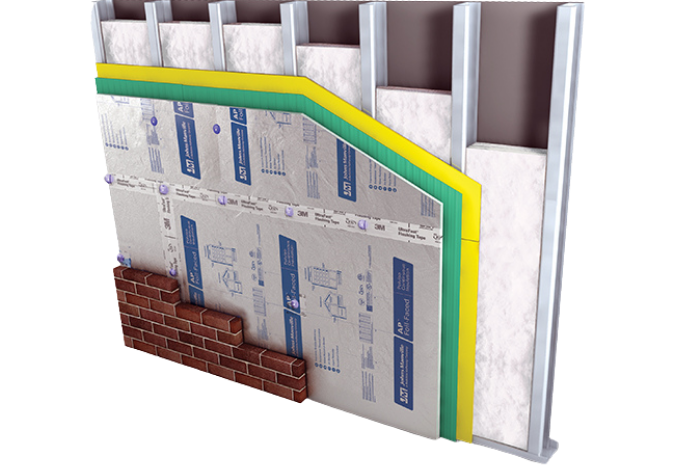
One of the most effective methods for preventing thermal bridging is continuous exterior insulation.
Instead of placing insulation only between steel studs, rigid insulation panels are installed outside the framing, creating a continuous thermal barrier.
Common materials include:
Polyisocyanurate (polyiso) insulation
Mineral wool insulation boards
Extruded polystyrene (XPS) rigid foam
Benefits include:
Dramatically improved wall R-value
Reduced heat transfer through studs
Improved building envelope performance
Easier compliance with modern energy codes
For many high-performance steel buildings, continuous insulation has become the standard best practice.
Strategy #2: Use Thermal Break Systems
Thermal breaks reduce heat transfer by introducing low-conductivity materials between steel components.
Examples include:
Thermal clips for exterior cladding systems
Isolated fasteners
Structural thermal break plates
Insulated attachment systems
These components are especially important in areas where structural elements penetrate the building envelope, such as:
Balcony connections
Curtain wall attachments
Structural brackets
Cladding support systems
Thermal breaks prevent metal components from acting as direct heat pathways.
Strategy #3: Optimize Wall Assembly Design
Designing the right wall assembly can dramatically improve the thermal performance of steel framing.
Double-Stud Steel Walls
Two framing layers allow insulation to separate conductive members, reducing heat transfer.
Staggered Steel Stud Layouts
Offset stud systems limit the number of direct thermal pathways through the wall.
Hybrid Insulation Systems
Combining cavity insulation with continuous exterior insulation provides the best performance in most steel wall assemblies.
These design techniques help maximize insulation effectiveness while maintaining structural integrity.
Strategy #4: Improve Air Sealing and Moisture Control
Thermal bridging is often connected to air leakage and moisture issues. A high-performance building envelope should include:
Continuous air barriers
Proper vapor control layers
Well-sealed penetrations
Moisture-resistant insulation materials
When air leakage is minimized, insulation systems perform significantly better.
Strategy #5: Use Engineered Steel Framing Systems
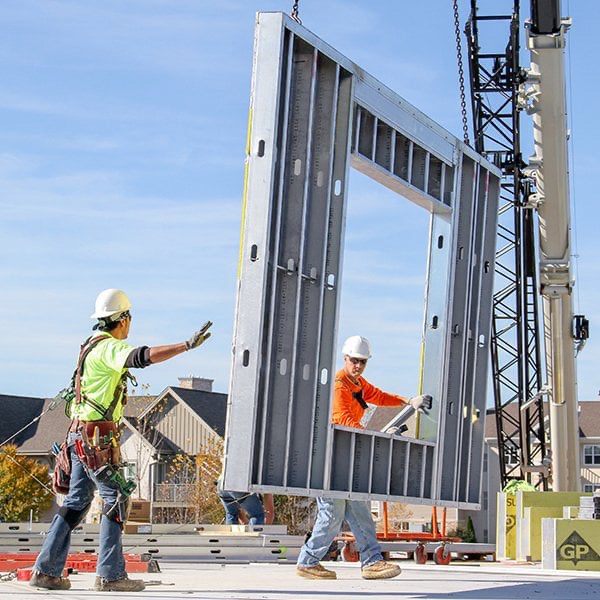
Modern engineered steel framing systems allow builders to design energy-efficient wall assemblies from the start.
Advantages include:
Precise wall detailing
Improved insulation integration
Reduced jobsite guesswork
Consistent structural performance
Early coordination between structural engineers and framing specialists helps identify thermal bridge locations before construction begins.
Steel Framing Can Still Deliver High Energy Efficiency
Despite steel’s higher thermal conductivity, well-designed steel wall systems can achieve excellent energy performance.
When thermal bridging is addressed correctly, steel framing offers significant benefits:
Superior structural strength
Dimensional stability
Resistance to pests and rot
Improved durability over time
Faster construction timelines
With the right insulation strategy, builders can enjoy the advantages of steel framing without sacrificing energy efficiency.
Build High-Performance Steel Structures with LoadPath Systems
LoadPath Systems works with builders and general contractors throughout the Intermountain West to design engineered steel framing systems that perform structurally and thermally.
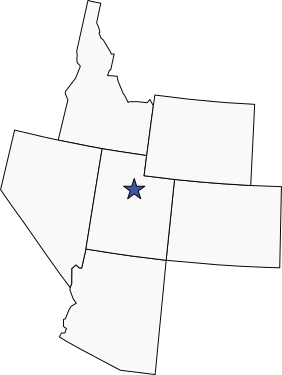
Our team supports projects across:
- Utah
Idaho
Wyoming
Colorado
Nevada
Arizona
We help contractors plan framing systems that integrate structural strength with modern energy-efficient wall assemblies.
Get Expert Help Designing Energy-Efficient Steel Framing
Preventing thermal bridging starts with smart engineering and planning.
If you’re evaluating steel framing for your next project, the LoadPath Systems team can help you design wall assemblies that maximize structural performance while meeting modern energy standards.
Get A Consult with LoadPath Systems to explore engineered steel framing solutions for your next build.